

Hayward, CA




City Reviews & Questions

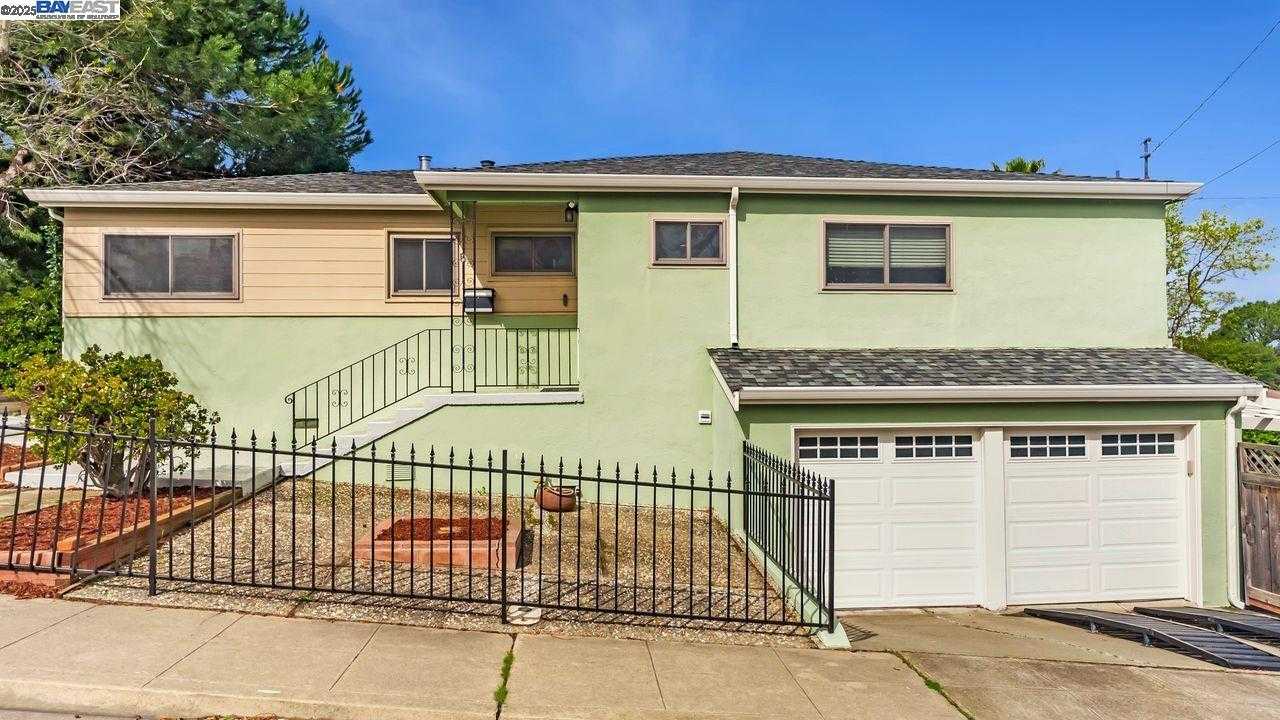
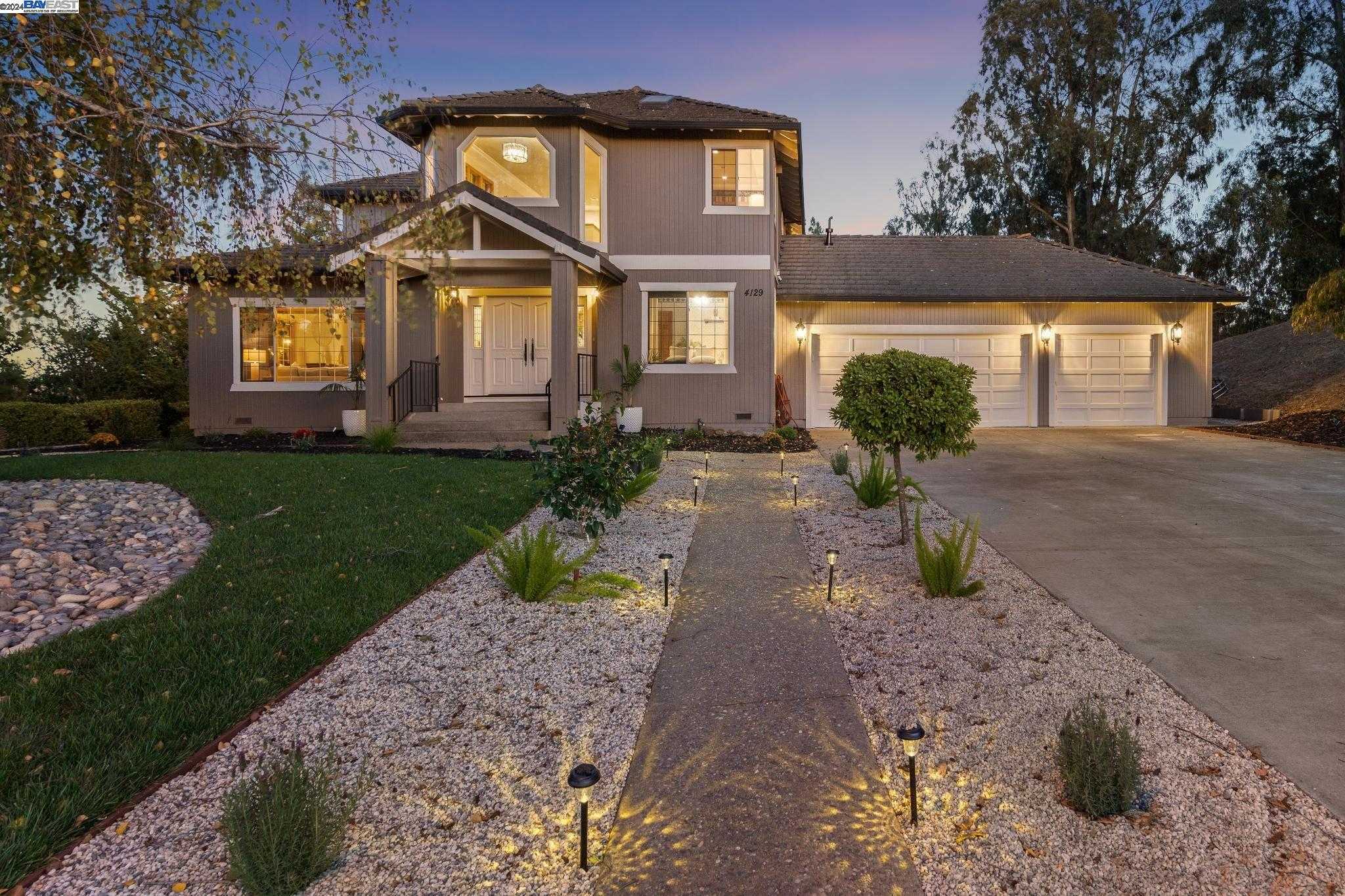
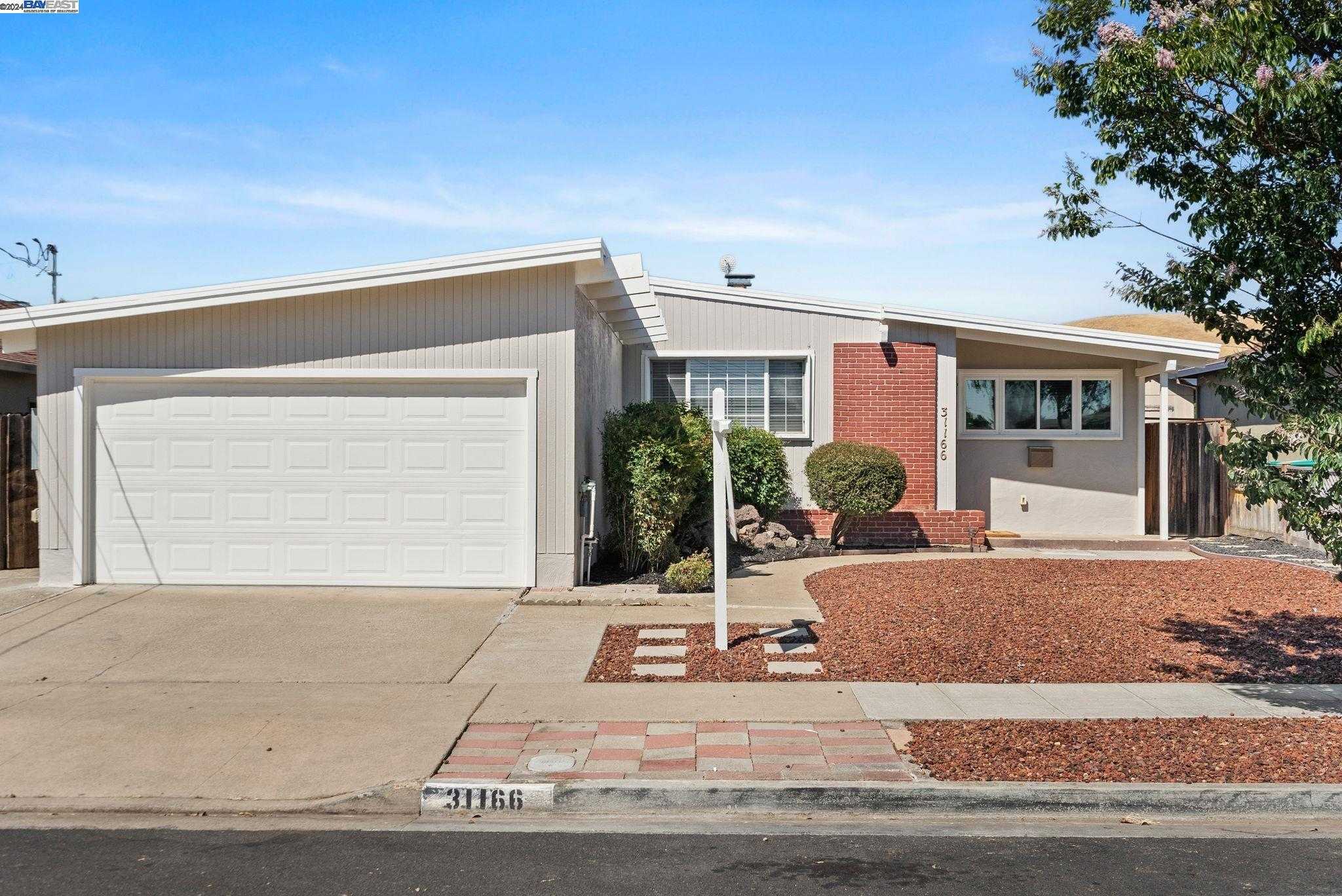
Hayward sits near the geographic center of the East Bay and functions as a major residential and employment hub between Oakland, Fremont, and the Tri-Valley. It is a large and varied city, and the experience of living here can feel quite different depending on the neighborhood. Some areas are dense and urban, while others climb into the hills and feel noticeably quieter with broad views across the Bay. Downtown Hayward has seen steady investment in recent years and now serves as a growing community center. The blocks around B Street and Main Street include restaurants, cafés, breweries, and the historic Hayward Theatre. The area around the Hayward BART station and City Hall has also added new housing and public spaces, bringing more activity to the downtown core. The western side of the city is flatter and includes many older neighborhoods with 1950s and 60s homes. These areas tend to be denser and closer to major commercial corridors. As you move east toward the Hayward Hills, the terrain rises quickly and the neighborhoods become quieter. Homes in the hills often sit on larger lots and many streets offer expansive views across the Bay toward San Francisco. Outdoor access is one of Hayward’s strongest features. Garin Regional Park and Dry Creek Pioneer Regional Park sit in the hills above the city and provide miles of hiking and horseback riding trails through open grassland and oak woodland. Hayward Regional Shoreline along the Bay offers levee trails with wide water views and strong birdwatching opportunities. Retail and daily services are widely available. Large shopping centers, grocery stores, and restaurants are spread throughout the city, making errands easy from most neighborhoods. The city is also home to California State University, East Bay, which adds a student presence and additional community activity. Transportation access is a major advantage. Interstate 880 and Interstate 580 both pass through Hayward, and the city has two BART stations that connect residents to Oakland, San Francisco, and other parts of the Bay Area. Curb appeal varies significantly depending on the neighborhood. Hillside areas often feel more polished with maintained homes and landscaping, while denser flatland sections can show more mixed upkeep. Living in Hayward offers strong transportation access, diverse housing options, and significant regional parkland, all within a city that continues to evolve as a central hub of the East Bay.
Schools serving this City
| School Name | Type | Grades | Houseberry School Score |
|---|---|---|---|
| Tom Kitayama Elementary | Primary | K-5 | |
| Southgate Elementary | Primary | K-6 | |
| Stonebrae Elementary | Primary | K-6 | |
| Palma Ceia Elementary | Primary | K-6 | |
| Creekside Middle | Middle | 6-8 | |
| Canyon Middle | Middle | 6-8 | |
| Martin Luther King, Jr. Middle | Middle | 7-8 | |
| Anthony W. Ochoa Middle | Middle | 7-8 | |
| Castro Valley High | High | 9-12 | |
| James Logan High | High | 9-12 | |
| Hayward High | High | 9-12 | |
| San Lorenzo High | High | 9-12 |
Click links for school listing
info at GreatSchools.org
Houseberry School Score Data
from CA Dept. of Education
Houseberry recommends using these scores as only a starting point, and conducting your own investigation into what schools fit best for your preferences. School boundaries are not guaranteed and may change. It is important to contact the appropriate school district to confirm enrollment eligibility before making any decision to move to a neighborhood.
City Amenities
 Near good merchants
3.1
 Public Spaces
3.3
 Curb Appeal
3.0
Overall Amenities score: 3.3
Median Price
City Photos
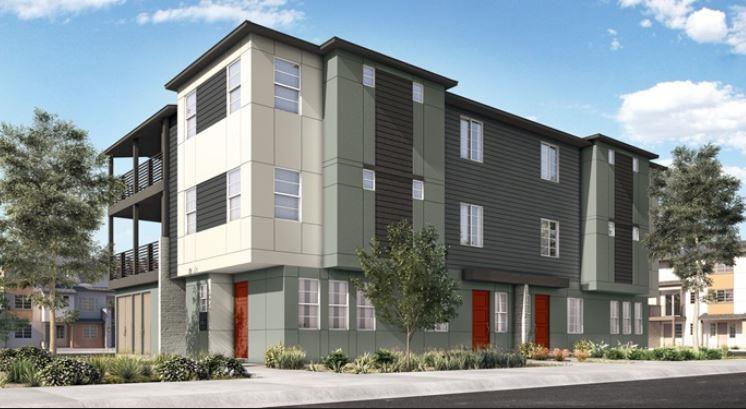
1 of 1
Top Neighborhoods in Hayward, CA


Looking to Buy or Sell?
City Map
View Full Map
All information provided on this website including but not limited to - school ratings, safety, amenities, user opinions, and property data - is for general informational purposes only. We do not guarantee its reliability, accuracy, or completeness. Users should independently verify information and consult appropriate professionals as needed. By using this website, you agree Houseberry is not responsible for actions, decisions, or consequences arising from reliance on the information provided
houseberry.com - CA DRE# 01847391
 Bay East ©2025. CCAR ©2025. bridgeMLS ©2025. Information Deemed Reliable But Not Guaranteed. This information is being provided by the Bay East MLS, or CCAR MLS, or bridgeMLS. The listings presented here may or may not be listed by the Broker/Agent operating this website. This information is intended for the personal use of consumers and may not be used for any purpose other than to identify prospective properties consumers may be interested in purchasing. Data last updated at May 11, 2026 12:00 AM